
Owning a vehicle involves much more than filling the tank and scheduling an occasional oil change. Cars contain mechanical, electrical, structural, safety, and comfort systems that require attention throughout the vehicle’s life. Understanding common automotive services helps drivers make better decisions, spot developing problems, and avoid unnecessary expenses.
Some services are preventive, while others become necessary after damage, wear, or mechanical failure. Some services also improve appearance, comfort, performance, or functionality. Knowing the difference helps owners prioritize work based on safety, urgency, budget, and how long they plan to keep the vehicle.
Drivers do not need to understand every component under the hood. However, knowing the purpose of important services makes conversations with professionals easier and helps owners decide when maintenance, repairs, replacements, or upgrades make sense.
1. Protecting the Vehicle’s Exterior
Understanding Paint Protection
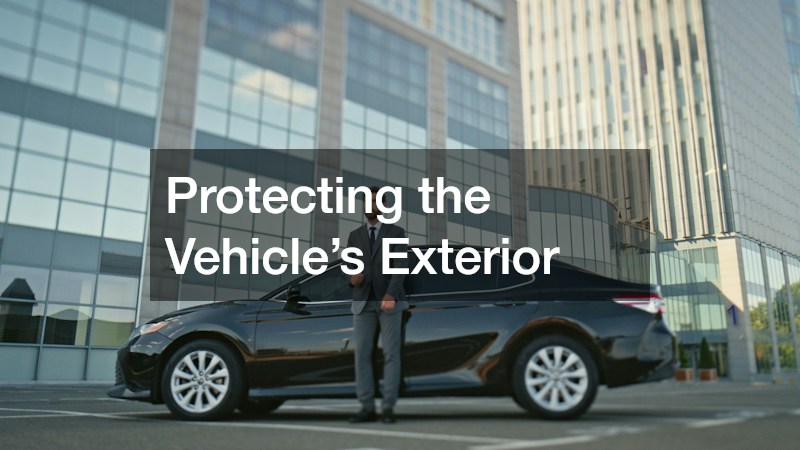
Vehicle paint is constantly exposed to road debris, insects, tree sap, bird droppings, ultraviolet exposure, and changing weather. Even cars that are washed regularly can develop chips, scratches, stains, and fading.
A PPF wrap adds a transparent protective layer over painted surfaces. It is often applied to high-impact areas such as the hood, front bumper, mirrors, and fenders to reduce damage from normal driving conditions.
Deciding Which Areas Need Protection
Not every vehicle needs full-body coverage. Drivers who spend considerable time on highways may experience more stone chips on forward-facing panels, while urban vehicles may encounter parking-related scratches and other minor damage.
Consider driving habits, parking conditions, climate, vehicle value, and how long the vehicle will be kept when deciding which areas need additional protection.
Maintaining Protected Surfaces
Protective materials still require routine care. Gentle washing, suitable cleaning products, and quick removal of contaminants can help preserve both the protective layer and the paint underneath.
Owners should periodically inspect exposed edges and panels. Lifting, bubbling, discoloration, or significant damage may indicate that part of the material needs professional attention or replacement.
Considering Long-Term Appearance
Exterior condition affects how a vehicle looks as it ages and can influence its appeal when eventually sold or traded. Preventing surface damage is often easier than correcting years of accumulated chips and scratches.
For owners who plan to keep their cars long-term, preserving the finish can also make the vehicle more enjoyable to own.
2. Knowing When a Vehicle Has Reached the End of Its Useful Life
Evaluating Repair Costs
Eventually, an older vehicle may require a repair expensive enough to raise an important question: is it still worth fixing?
Owners should compare the proposed repair cost with the car’s value, overall condition, reliability, and other maintenance expenses likely to arise soon. One expensive repair does not automatically mean a vehicle should be replaced, but repeated engine, transmission, electrical, or suspension problems may change the calculation.
Looking Beyond Market Value
A vehicle’s usefulness is not determined solely by resale value. An inexpensive older car that remains dependable can still serve its owner well. Conversely, a vehicle worth more on paper may become frustrating if it repeatedly breaks down.
Safety matters as well. Severe corrosion, structural deterioration, extensive accident damage, or multiple unresolved mechanical problems may make continued ownership less practical.
Exploring Disposal Options
When repairs no longer make financial sense, owners can consider private sales, trade-ins, donations, recycling facilities, or companies offering cash for junk cars.
Before transferring ownership, drivers should verify title and registration requirements, remove personal items, and compare legitimate offers. Towing arrangements and vehicle values can differ significantly between providers.
Planning the Transition
Replacing a deteriorating vehicle is easier before a complete breakdown creates an emergency. Warning signs can include increasingly frequent repairs, declining reliability, difficulty finding parts, or maintenance expenses that continue to rise.
Keeping repair records allows owners to evaluate the bigger picture instead of making a decision based on one frustrating bill.
3. Improving the Driving Experience Inside the Cabin
Understanding Modern Entertainment Systems
Modern drivers often expect smartphone connectivity, hands-free communication, navigation, streaming, and convenient controls in addition to traditional music playback.
A car audio system may include speakers, amplifiers, subwoofers, processors, microphones, and an updated head unit. The best configuration depends on what the owner actually wants to improve rather than simply selecting the most powerful equipment available.
Identifying Weak Points
Poor sound quality can result from worn speakers, damaged wiring, insufficient power, incorrect settings, or weak source quality. Replacing multiple components without diagnosing the problem can lead to unnecessary expenses.
A professional evaluation may reveal that only a few targeted upgrades are needed instead of a complete system replacement.
Protecting the Electrical System
Aftermarket electronics must integrate safely with the vehicle’s existing electrical architecture. Poor grounding, incorrect wiring, or excessive electrical demand can create problems beyond sound quality.
Modern vehicles may also integrate cameras, microphones, warning sounds, steering-wheel controls, and factory settings through the infotainment system. Any upgrade should preserve these important functions.
Prioritizing Practical Features
Not every useful upgrade is about louder music. Improved hands-free calling, clearer navigation prompts, better smartphone integration, and easier controls can make daily driving more comfortable.
Drivers should establish their priorities first so they can choose equipment that improves the features they use most.
4. Keeping Up With Routine Mechanical Care
Building a Maintenance Routine
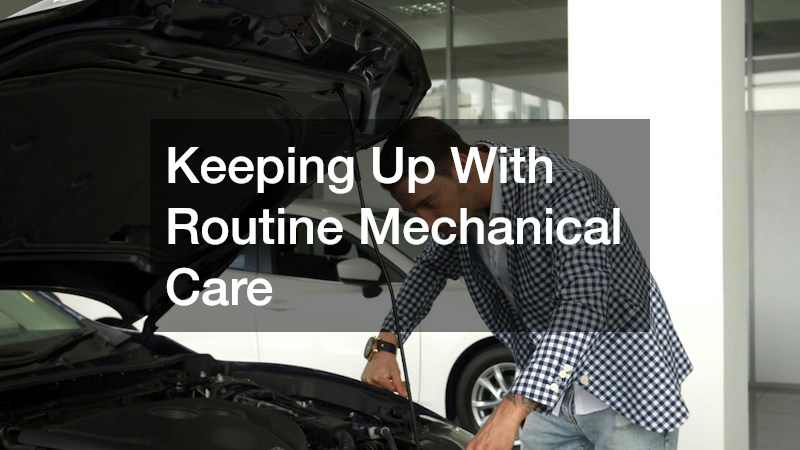
Preventive maintenance is one of the most effective ways to support long-term reliability. Oil, fluids, filters, brakes, belts, hoses, batteries, and other wear items should be monitored according to manufacturer recommendations and driving conditions.
Working consistently with a reputable local car repair provider can also make service history easier to track. A shop familiar with the vehicle may notice recurring problems or developing wear more easily.
Recognizing Warning Signs
Vehicles frequently provide clues before major failures occur. Warning lights, unusual noises, vibrations, leaks, burning odors, difficult starting, or changes in performance deserve attention.
An experienced auto mechanic can identify the source rather than replacing parts based solely on symptoms. A vibration, for example, may come from tires, suspension, drivetrain components, or several other sources.
Asking Better Questions
Owners should understand why a repair is recommended and whether it is urgent. Helpful questions include:
- What problem was found?
- What happens if the repair is delayed?
- Is the issue currently unsafe or simply worn?
- Are related parts likely to need replacement soon?
- Does the repair include a warranty?
Clear answers can help drivers distinguish immediate safety concerns from preventive or optional recommendations.
Keeping Service Records
Receipts, inspection reports, mileage records, and notes about replaced components help owners avoid duplicate work and anticipate future maintenance.
A documented service history can also be valuable when selling a vehicle because it provides evidence that important maintenance was completed consistently.
5. Maintaining the Vehicle’s Connection With the Road
Understanding Why Tire Condition Matters
Tires directly affect acceleration, braking, steering, and stability. Worn or damaged tires can reduce vehicle performance even when every other system is working correctly.
Choosing appropriate auto tires involves more than matching the size on the sidewall. Climate, driving conditions, load requirements, mileage expectations, and vehicle specifications should also influence the choice.
Monitoring Wear and Pressure
Improper pressure can affect handling, efficiency, tread wear, and tire life. Drivers should generally follow the vehicle manufacturer’s recommended pressure rather than relying on the maximum number printed on the tire itself.
Tread should be examined across the entire tire. Uneven wear may point to alignment, suspension, inflation, or rotation problems.
Responding to Damage
Punctures, bulges, cracks, sidewall damage, or unusual vibration should be inspected promptly. Some tread punctures can be repaired, but others require replacement depending on their size, location, and severity.
Drivers should not assume every puncture can safely be plugged without a proper inspection.
Extending Tire Life
Routine habits can help tires wear more evenly and remain useful longer. Owners should:
- Check pressure regularly.
- Inspect tread and sidewalls.
- Rotate tires as recommended.
- Address steering or vibration changes promptly.
- Have alignment checked when uneven wear appears.
- Avoid striking curbs and potholes when possible.
Good tire care is an important part of overall vehicle safety.
6. Getting Specialized Care for Your Vehicle
Understanding Brand-Specific Knowledge
Manufacturers use different engines, electronic systems, diagnostic procedures, components, and maintenance schedules. Familiarity with a specific brand can therefore be useful when addressing complex problems.
Owners seeking Lexus repair, for example, may benefit from technicians familiar with the manufacturer’s systems, maintenance requirements, and diagnostic procedures.
Following the Recommended Maintenance Schedule
Manufacturer schedules provide a useful foundation for long-term care. Recommended services may involve engine oil, filters, coolant, transmission fluids, brakes, spark plugs, and periodic inspections.
Driving conditions matter too. Heavy traffic, extreme temperatures, towing, dusty environments, or frequent short trips can increase stress on certain systems.
Paying Attention to Technology
Modern vehicles may contain cameras, sensors, driver-assistance equipment, electronic modules, adaptive suspension, and integrated infotainment systems.
Diagnostic codes can provide useful clues, but they do not always identify the exact failed component. Proper testing is important before expensive electronic parts are replaced.
Protecting Long-Term Reliability
Owners who plan to keep their vehicles for many years should pay attention to small problems before they grow. Minor leaks, unusual noises, worn suspension components, or intermittent electronic faults can eventually become more expensive.
Routine inspections and accurate service records make future maintenance easier to anticipate.
7. Repairing and Protecting Vehicle Glass
Understanding the Role of Automotive Glass
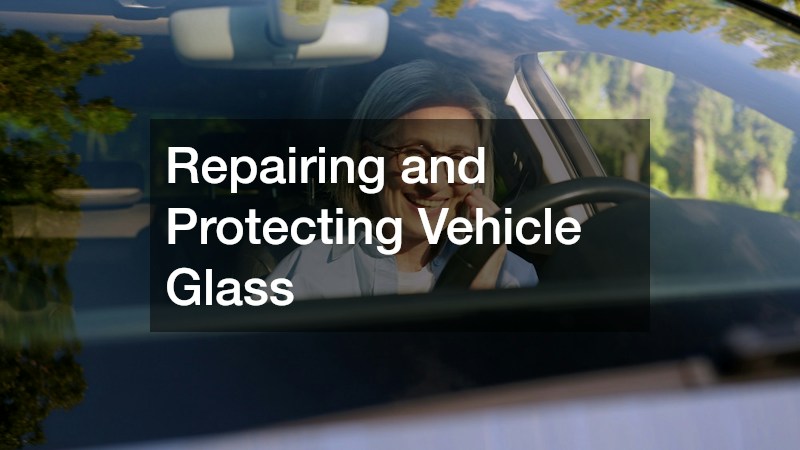
Windshields and windows provide visibility, weather protection, passenger comfort, and important structural support. Even a small chip can spread because of vibration, road impacts, or rapid temperature changes.
Visiting an auto glass shop soon after noticing damage can help determine whether repair is possible or replacement is necessary.
Knowing When Repair May Be Possible
Repairability depends on the size, depth, type, and location of the damage. Damage near the windshield edge or directly within the driver’s viewing area may present additional concerns.
Professional inspection is the safest way to determine whether repair or complete replacement is appropriate.
Considering Cameras and Sensors
Many newer vehicles position cameras and sensors near the windshield for features such as lane assistance, collision warnings, and automatic braking.
When a windshield is replaced, some of these systems may need calibration so they continue functioning properly. Drivers should ask whether their vehicle requires this additional step.
Preventing Additional Damage
Drivers can reduce the chances of minor damage becoming more serious by:
- Repairing chips promptly.
- Replacing worn wiper blades.
- Avoiding aggressive scraping.
- Keeping washer fluid available.
- Inspecting seals and molding.
- Avoiding extreme temperature changes when glass is already damaged.
Small preventive steps can help preserve visibility and safety.
8. Modifying a Vehicle for Additional Height and Capability
Understanding Suspension Modifications
Some drivers want additional ground clearance, larger wheels, off-road capability, or a more aggressive appearance. Suspension modifications can accomplish those goals, but they also change important vehicle geometry.
Installing a lift kit may affect steering, suspension angles, alignment, center of gravity, driveline geometry, and component wear.
Matching Modifications to Intended Use
Before changing suspension height, owners should determine what they actually need. A daily commuter has different requirements from a vehicle regularly driven off-road.
Consider whether the vehicle needs additional clearance, larger tires, towing capability, or simply a cosmetic change. Defining the purpose first can prevent unnecessary modifications.
Accounting for Related Components
Changes in ride height may affect shocks, control arms, steering parts, brake lines, driveshaft angles, alignment, and other components.
Larger wheels and tires can also influence braking, acceleration, steering response, and clearance. Modifications should therefore be viewed as an interconnected system rather than isolated upgrades.
Maintaining the Modified Vehicle
After suspension work, owners should monitor steering, tire wear, vibrations, loose hardware, fluid leaks, and new noises.
Alignment and periodic inspections may also be necessary. Responsible modification should balance desired appearance or capability with safe handling and long-term mechanical health.
9. Understanding What to Do After a Collision
Prioritizing Immediate Safety
After a collision, the priority is checking drivers and passengers for injuries and contacting emergency services when necessary.
If conditions allow, moving away from traffic hazards may reduce the risk of another crash. Drivers should follow instructions from emergency personnel before worrying about documentation or vehicle damage.
Documenting the Incident
Once conditions are safe, useful documentation may include:
- Photographs of vehicle damage.
- Pictures of road and traffic conditions.
- Driver and insurance information.
- Witness contact information.
- Information from responding authorities.
- Towing and storage details.
- Medical and repair records.
Safety should always come before evidence collection.
Handling Insurance and Repairs
Afterward, drivers may need to communicate with insurers, repair facilities, towing companies, rental providers, and medical professionals. Keeping records of these conversations can make the process easier to manage.
Collision damage may extend beyond visible dents. Structural, suspension, steering, electrical, sensor, and safety systems may also require inspection.
Knowing When Legal Guidance May Be Appropriate
Not every accident requires legal representation. However, injuries, disputed responsibility, significant financial losses, or complicated insurance issues may lead someone to seek advice.
A search for the best car crash attorney should involve more than choosing the first advertisement. Relevant experience, communication practices, professional standing, fee arrangements, and familiarity with similar cases are all useful factors to consider.
10. Creating a Long-Term Vehicle Care Strategy

Prioritizing Safety-Related Services
When several repairs are recommended at once, owners should prioritize issues that directly affect safe vehicle operation.
Problems involving brakes, steering, visibility, severe leaks, suspension damage, or critical warning indicators generally deserve attention before cosmetic or convenience upgrades.
Budgeting for Predictable Expenses
Many vehicle expenses are predictable even if their exact timing is not. Batteries, brakes, fluids, filters, belts, and other wear items eventually require replacement.
Setting aside money regularly for maintenance can make these expenses easier to manage. Service records can also help owners anticipate larger upcoming repairs.
Performing Regular Visual Checks
Drivers can notice many developing problems simply by paying attention. Watch for:
- Fluid spots under the vehicle.
- Steering or braking changes.
- Persistent warning lights.
- Unusual noises or vibrations.
- Uneven vehicle height.
- Exterior lights that stop working.
- Visible wheel or body damage.
These observations do not replace professional diagnosis, but they can indicate when an inspection is needed.
Thinking About the Entire Ownership Cycle
Vehicle care changes as a car ages. Newer vehicles may require mostly preventive maintenance, while older ones may need increasingly frequent repairs.
Owners should periodically consider reliability, safety, expected future expenses, and whether the vehicle continues to meet their needs. Accurate maintenance records make these decisions easier by showing how repair frequency and ownership costs have changed over time.
Understanding automotive services gives vehicle owners greater control over maintenance, repairs, upgrades, and unexpected situations. Drivers do not need to become experts, but knowing why common services matter and recognizing important warning signs can make ownership easier and more predictable.
A thoughtful approach includes preventive maintenance, regular observation, organized records, and prompt attention to safety concerns. Owners should also understand how modifications or repairs may affect other vehicle systems rather than viewing every service in isolation.