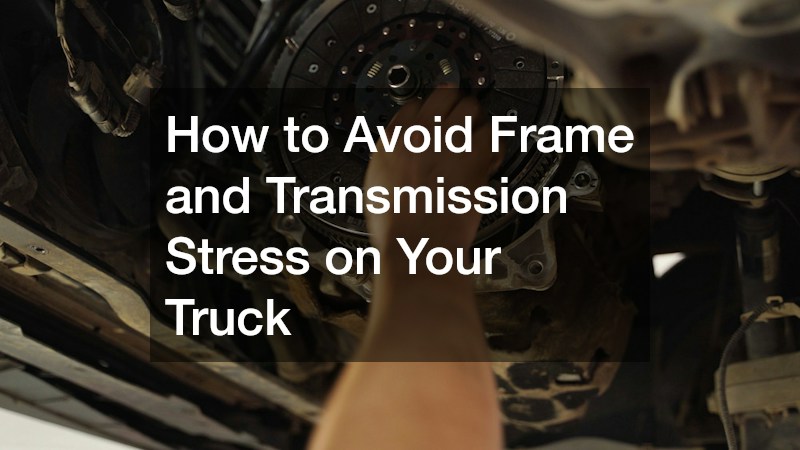
Modern pickup trucks are engineering marvels. Equipped with high-torque turbodiesel or high-displacement gasoline engines, reinforced steel ladder frames, and multi-speed automatic transmissions, modern trucks can pull massive fifth-wheel trailers, haul dense construction materials, and navigate rugged off-road terrain. However, capability should not be confused with invulnerability. Every time you hitch a heavy trailer, load the bed to capacity, or accelerate up a steep mountain grade, immense mechanical forces travel through your truck’s chassis and drivetrain.
Master Weight Ratings and Load Distribution Logistics
Calculate Payload and Gross Combined Weight Ratings Accurately
The foundation of frame and transmission protection begins with a thorough understanding of your vehicle’s manufacturer weight limits. Every truck carries specific weight ratings stamped on the driver-side door jamb placard, including Gross Vehicle Weight Rating (GVWR), Gross Axle Weight Rating (GAWR), and Gross Combined Weight Rating (GCWR). Exceeding these limits forces structural steel beyond its yield strength and subjects transmission planetary gear sets to torque levels they were never engineered to sustain.
To prevent structural overload and maintain front-axle steering control, strictly monitor tongue weight and payload distribution:
- Tongue Weight Proportions: Maintain ideal tongue weight ratios—typically 10% to 15% of total trailer weight for conventional bumper-pull hitches, and 15% to 25% for fifth-wheel or gooseneck setups.
- Weight-Distribution Hitches: Utilize high-grade weight-distribution hitches equipped with integrated sway control bars for conventional towing to leverage leverage principles, distributing tongue load evenly across both front and rear axles.
- Axle Capacity Balancing: Never exceed individual front or rear GAWR limits, even if total combined weight remains under overall GVWR thresholds.
- Managing High-Stress Towing Logistics: Improperly balanced heavy duty towing setups put severe strain on rear leaf springs, spring perches, and receiver hitches, leading to chassis sagging and erratic handling.
Inspect Frame Rails and Crossmembers for Structural Stress
A truck’s ladder frame relies on parallel C-channel or hydroformed boxed steel rails connected by lateral crossmembers. Under heavy loads or off-road articulation, these steel rails flex naturally to absorb road impact. However, persistent overloading or asymmetric weight distribution can cause permanent metal fatigue, frame twist, or localized cracking near stress risers such as suspension mounting brackets and crossmember welds.
Incorporate routine visual frame inspections into your maintenance schedule:
- Inspecting High-Stress Zones: Clean road grime off frame rails to inspect spring hangers, shock mounts, bed crossmembers, and hitch receiver welds for hairline cracks or flaking paint that signals metal stretching.
- Checking Frame Alignment: Measure diagonal cross-dimensions between frame reference holes to verify that the chassis remains square after hard off-road use or heavy hauling.
- Professional Structural Evaluation: If you spot frame warping, sagging, or rust-scaling around rivets, visit a certified auto body shop to evaluate frame alignment, perform precision straightening, or weld reinforcement gussets before structural failure occurs.
- Rust Prevention Treatments: Coat internal frame rail boxes and outer channels with fluid film rust inhibitors to prevent internal oxidation from thinning the structural steel.
Optimize Transmission Cooling and Drivetrain Fluid Health
Control Fluid Temperatures with Auxiliary Transmission Coolers
Heat is the primary cause of automatic transmission failure. Under normal operating conditions, transmission fluid operates between 175°F and 200°F (79°C to 93°C). When hauling heavy payloads up long mountain passes or creeping through stop-and-go traffic on hot summer days, fluid temperatures can rapidly spike past 220°F (104°C). At these elevated temperatures, friction modifiers break down, seals harden and leak, varnish forms on valve bodies, and clutch plates burn out.
Installing proactive cooling solutions keeps transmission fluid within safe operational parameters:
- Stacked-Plate Auxiliary Coolers: Upgrade factory heat exchangers with high-efficiency, stacked-plate auxiliary transmission coolers featuring dedicated thermostatic control valves and electric cooling fans.
- Real-Time Thermal Monitoring: Install aftermarket digital transmission temperature gauges or monitor fluid temps through OBD-II digital monitors to track fluid heat levels in real time.
- Fluid Maintenance Schedules: Drain and refill transmission fluid every 30,000 miles under severe-service conditions, replacing inline filters to remove suspended clutch material and metal dust.
- Professional Diagnostic Care: Schedule routine inspections at specialized truck repair facilities at the first sign of fluid discoloration, burnt odors, or harsh gear engagement.
Shift Manually and Use Tow/Haul Modes on Steep Inclines
Modern automatic transmissions rely on complex electronic control modules (TCM) to manage shift timing, line pressure, and torque converter lockup. Driving in standard “Drive” mode while hauling heavy loads often causes “gear hunting”—a condition where the transmission constantly shifts back and forth between gears to maintain speed. Each shift generates immense friction heat inside the clutch packs and causes sudden torque spikes across the input shaft.
Optimize transmission shifting protocols to minimize thermal and mechanical wear:
- Engaging Tow/Haul Mode: Activate Tow/Haul mode before moving heavy loads; this recalibrates shift points to hold gears longer during acceleration, increases line pressure to clamp clutch plates firmly, and increases engine braking on descents.
- Manual Downshifting on Grades: Manually lock the transmission into a lower gear before beginning a long uphill climb, allowing the engine to run at higher RPMs where cooling fans operate at peak efficiency.
- Preventing Torque Converter Slippage: Keep the torque converter locked in gear whenever possible; unlocked torque converters churn fluid rapidly, generating severe heat spikes within minutes.
- Seeking Qualified Repairs: If you experience slipping gear bands or delayed shifting under load, visit trusted local auto repair shops promptly to perform solenoid diagnostics and line pressure checks before internal damage escalates.
Manage Engine Thermal Load, Exhaust Backpressure, and Fuel Supply
Reduce Engine EGTs and Maintain Clean Exhaust Flow
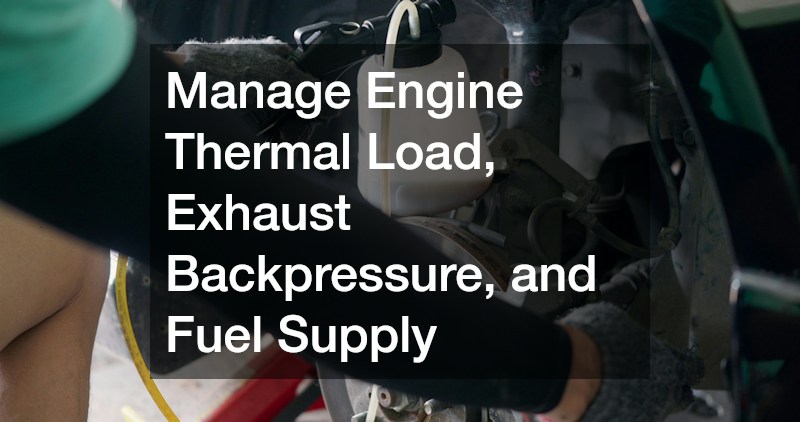
Engine thermal performance directly impacts transmission longevity. In turbocharged diesel and high-output gasoline trucks, heavy engine load elevates Exhaust Gas Temperatures (EGTs). When EGTs remain high for extended periods, heat transfers from the engine block and turbocharger housing into the transmission bellhousing, warming the torque converter and front pump seals.
Managing exhaust flow and monitoring thermal output reduces engine bay heat soak:
- EGT Gauge Monitoring: Install a pyrometer probe in the exhaust manifold to track EGTs, keeping temperatures below 1,250°F (676°C) on diesel engines during sustained hill climbs.
- High-Flow Exhaust Upgrades: Replace restrictive factory exhaust components with mandrel-bent, high-flow stainless steel exhaust systems to reduce backpressure and vent hot exhaust gases efficiently.
- Exhaust System Inspections: Address rusted hangers, crushed tailpipes, or leaking exhaust manifolds immediately by making necessary muffler repairs, ensuring backpressure remains within factory design limits.
- Easing Throttle on Grades: If EGTs or engine coolant temperatures climb toward redline limits, downshift manually and reduce speed slightly to allow cooling air to purge heat from the engine bay.
Maintain Consistent Combustion Quality Under Heavy Workloads
Combustion stability is essential when towing heavy loads. Sudden engine misfires or lean air-fuel mixtures cause violent torsional vibrations that travel through the crankshaft, flexplate, and torque converter input shaft. Maintaining clean fuel delivery ensures smooth cylinder firing, eliminating high-frequency harmonic vibration that stresses drivetrain bearings.
Protect combustion efficiency and fuel system performance through these preventative measures:
- Frequent Filter Changes: Replace primary and secondary fuel filters every 15,000 miles to prevent particle contamination from starving high-pressure fuel pumps and injectors.
- Quality Fuel Additives: Treat diesel or gasoline tanks with high-lubricity, cetane- or octane-boosting additives to maintain clean injector spray patterns and prevent detonation under heavy engine load.
- Maintaining Stable Fuel Flow: Ensuring reliable, high-volume fuel delivery under wide-open-throttle conditions prevents lean air-fuel mixtures that elevate combustion temperatures and stress mechanical components.
Prevent Drivetrain Shock and Manage Fuel Logistics on Long Trips
Eliminate Drivetrain Shock and Axle Wrap During Acceleration
When a high-torque truck accelerates from a complete stop with a heavy load, high rotational torque causes the rear axle housing to twist backward against the leaf springs. This phenomenon—known as “axle wrap”—forces leaf springs into an “S” shape, bending drive axles, misaligning driveshaft U-joints, and subjecting transmission extension housings to severe snapping forces.
Mitigate axle wrap and drivetrain shock through targeted suspension upgrades and smooth driving technique:
- Installing Traction Bars: Mount heavy-duty traction bars (radius arms) between the rear axle housing and frame rails to lock axle alignment and prevent spring twisting under heavy acceleration.
- Auxiliary Leaf Helper Springs: Add helper leaf springs or rubber bump-stop cushions to increase rear spring rate stiffness, dampening initial load movement.
- Smooth Throttle Application: Roll into the throttle smoothly from a complete stop rather than floor-boarding the gas pedal, allowing transmission clutches to fully lock without taking violent torque hits.
- Driveshaft U-Joint Lubrication: Grease driveshaft universal joints and slip-yokes every oil change to prevent binding under high suspension angles.
Plan Refueling Logistics and Manage Vehicle Lifetime Depreciation
Traveling long distances with a fully loaded rig requires careful route planning. Running out of fuel on a steep grade pass or remote highway puts you in a dangerous situation, forcing you to pull off onto rough shoulders or attempt restart maneuvers that put immense strain on starter motors, torque converters, and electrical systems.
Streamline long-distance hauling and preserve vehicle asset value:
- Mapping Fuel Stop Locations: Plan refueling stops at commercial truck stops featuring wide turn lanes and high-flow fuel pumps to avoid maneuvering heavy trailers through cramped gas stations.
- Mobile Refueling Support: When operating in remote rural areas or job sites without easy access to gas stations, arrange commercial fuel delivery services or install bed-mounted transfer tanks to maintain fuel reserves.
- Maintaining Comprehensive Service Logs: Keep meticulous receipts and documentation for all frame, suspension, and transmission service history to protect your truck’s trade-in value.
- Avoiding Asset Salvage Losses: Maintaining structural frame health and drivetrain components prevents your truck from suffering severe mechanical failure, saving you from having to sell a damaged vehicle to scrap buyers offering cash for cars.
Execute Safe Driving Techniques and Understand Legal Safeguards
Practice Defensive Driving Habits to Protect Mechanical Components
Your driving technique plays a massive role in protecting your truck’s chassis and transmission. Aggressive driving habits—such as hard braking, sudden lane changes, and rapid acceleration—multiply the physical forces acting on your vehicle. Increasing your follow distance gives you time to anticipate traffic changes, allowing you to slow down gradually using engine braking rather than slamming on service brakes.
Adopt these mechanical-friendly driving habits on the road:
- Increasing Following Distance: Maintain a four- to five-second gap behind lead vehicles when fully loaded to allow smooth, progressive slowing that minimizes frame stress.
- Using Exhaust Brakes: Engage integrated turbo exhaust brakes on diesel trucks during downhill descents to control speed without overheating wheel brakes or forcing transmission downshifts.
- Managing Vehicle Overhead Costs: Protect your long-term equipment investment by shopping competitive rates on auto loans, keeping monthly equipment overhead low while maintaining proper maintenance budgets.
Understand Liability Risks and Emergency Accident Protocols
Operating an overloaded or structurally compromised truck poses severe safety risks to everyone on the road. Exceeding manufacturer weight ratings lengthens stopping distances, increases tire blowout risks, and compromises vehicle stability. In the event of a highway accident, driving an overloaded truck can lead to denied insurance claims and substantial legal liability.
Protect yourself through legal and operational risk mitigation:
- Conducting Pre-Trip Safety Inspections: Inspect trailer hitches, safety chains, breakaway cables, tire pressures, and brake controllers before every trip.
- Verifying Commercial Insurance Coverage: Ensure your auto and commercial liability insurance policies adequately cover your trailer weights and cargo types.
- Retaining Qualified Legal Support: In the event of a serious highway collision involving heavy equipment, retaining a specialized auto injury lawyer helps navigate complex vehicle inspection reports, liability evaluations, and insurance settlements.
Frame & Drivetrain Protection Checklist

To keep your truck operating safely under high-load conditions, follow this pre-haul maintenance and inspection checklist:
1. Structural Frame & Suspension
- Inspect frame rails, crossmember welds, and spring perches for cracks or rust scaling.
- Verify that tongue weight falls within 10%–15% (bumper pull) or 15%–25% (fifth wheel) of total trailer weight.
- Engage weight-distribution hitches and sway control bars for heavy conventional trailers.
2. Transmission & Drivetrain
- Check transmission fluid levels, ensuring fluid is bright red/pink and free from burnt odors.
- Verify that auxiliary transmission coolers and cooling fans are clean and functioning properly.
- Engage Tow/Haul mode before accelerating with a heavy payload or attached trailer.
3. Engine, Exhaust, & Fuel Systems
- Inspect exhaust hangers, manifolds, and tailpipes to ensure clean exhaust flow.
- Replace primary and secondary fuel filters every 15,000 miles under severe-service schedules.
- Monitor engine coolant and Exhaust Gas Temperatures (EGTs) during steep mountain climbs.
Protecting your truck’s frame and transmission from excessive stress is not about avoiding hard work; it is about managing mechanical loads with discipline and foresight. Modern trucks are built to handle tough jobs, but their components operate within definite physical limits. By accurately calculating payload capacities, distributing tongue weight evenly, keeping transmission fluid cool, and practicing smooth driving habits, you eliminate the primary causes of chassis twist and thermal drivetrain failure.
Every preventative step you take pays compounding dividends over the life of your vehicle. Regular fluid flushes, structural frame inspections, and thermal monitoring protect your asset from catastrophic breakdowns and preserve its long-term resale value. Treat your truck with care, respect its engineered capacity limits, and enjoy hundreds of thousands of miles of dependable, heavy-hauling performance!